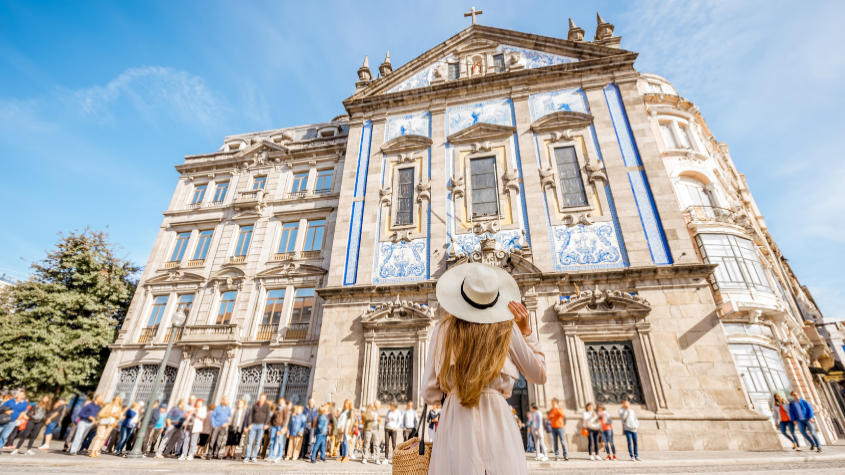
From Ruins to Living Rituals
Stepping from “seeing” into “participating”
Many trips once revolved around landmark monuments: arrive by bus, listen briefly, take photos, leave. The site felt like a grand backdrop, impressive yet strangely distant. More travelers now look for something gentler: slipping into early-morning ceremonies, sitting in silence beside local families, or joining a simple offering at a modest shrine. The stones remain, but they are no longer the whole story. Meaning appears in the pause before a song begins, in the shared breath before candles are lit, in the way people move through a courtyard they know by heart. The journey turns from ticking off sights to entering a moment that already matters deeply to others.
When pace slows, connection deepens
Shifting from five stops a day to several days in one district changes everything. Walking the same alley at dawn, noon, and dusk reveals how children reclaim temple steps after school, how elders return to the same bench, how a tiny altar glows differently at night. Repetition turns a quick visit into an unfolding conversation with place. Travelers begin to recognise familiar faces, notice small adjustments in seasonal decorations, and sense when they are welcome to join and when they should simply watch with care. The distance between “guest” and “host” softens; the memory that remains is not just of dramatic ruins, but of standing in a quiet circle, humming along to a song barely understood yet deeply felt.
The Quiet Power of Cultural Encounters
How emotions reshape what travel means
The strongest changes often arrive without drama. A traveler who expected only beautiful photos might find themselves replaying the taste of a festival meal or the feel of drums under their feet long after returning home. Watching a dance passed down through generations, or hearing a story in a courtyard where it has been told for decades, wraps history in warmth. Even with limited shared language, people feel sincerity in the way rice is served, hands are joined, or blessings are given. The trip’s impact surfaces later: in new questions about home, in a gentler attitude to unfamiliar neighbours, in a sudden urge to light a candle on a difficult day.
Ethics: from consuming to reciprocating
Once visitors care about the people behind a tradition, their questions change. “Where is the best angle?” becomes “Who keeps this practice alive?” and “What would support them?” That shift quietly redirects money and attention. Guests start preferring family-run stays, guides rooted in the community, and experiences designed by local voices rather than outside agencies. They learn that sometimes the most respectful choice is to accept a closed door, to watch from a distance, or to keep cameras away. Travel becomes less about extracting memories and more about entering a temporary exchange: receiving stories while giving back time, patience, and fair payment.
| Type of Visitor Choice | Likely Impact on Local Traditions | What It Feels Like as a Guest |
|---|---|---|
| Fast photo stops at major sites only | Keeps attention on monuments, not on living practices | Efficient, impressive, but emotionally distant |
| Joining large, packaged shows | Brings income yet risks turning rituals into pure entertainment | Spectacular yet slightly scripted |
| Small, community-led activities | Supports local control and everyday customs | Slower, more personal, sometimes imperfect |
| Spending time in informal daily spaces | Strengthens pride in ordinary life and subtle habits | Humble, observational, deeply memorable |
Thoughtful choices do not need to be grand. Sitting quietly at the edge of a ceremony, leaving space in a crowded alley, or buying snacks from a stall that clearly serves mostly locals each carry a message: your way of life is seen and valued, not just consumed.
When Heritage and Daily Life Overlap
Spotting culture in ordinary gestures
Grand stories of empires and battles often dominate brochures, yet the most revealing elements of a place hide in small rituals. The way neighbours sweep pavements every morning in front of carved doorways, the pattern of teacups set out for visitors, or the seasonal decorations hung crookedly above a stone arch all speak of continuity. For residents, these gestures feel too ordinary to mention; for observant guests, they become a pathway into the community’s sense of time, care, and connection. Culture appears not as a museum label, but as the route people take to work, the greeting they never skip, the little pause before crossing a shrine threshold.
Being a guest in someone else’s everyday rhythm
Entering spaces that people use daily requires a shift in attitude. Instead of assuming access, visitors learn to watch first: Which benches stay nearly empty? Which steps everyone avoids sitting on? Which side of the lane remains quiet even during busy hours? These patterns hint at unspoken rules. Respect grows through small acts—stepping aside for elders, lowering voices near household shrines, or asking before photographing laundry-draped balconies. Shopping in corner groceries, tasting homemade sweets at a tiny stall, or paying to attend a low-key neighbourhood performance channels support directly into the routines that keep traditions alive. The reward is subtle but powerful: a nod of recognition from a seller, a second portion quietly added to a plate, an invitation to join the simplest dance steps.
Walking Through Time: Streets, Museums, and Stories
Streets as open-air galleries
In many cities, just wandering through older quarters feels like visiting an outdoor exhibition. Faded murals, reused stones in modern walls, and shop signs layered over older lettering all speak of overlapping eras. Footprints become part of the display: commuters, schoolchildren, pilgrims, and visitors share the same pavements, turning statistics about footfall into a living pulse. Turning a corner from a busy market into a shaded courtyard can feel like slipping through decades in a few steps. Rather than seeing “the museum there and the city here,” walking reveals one continuous fabric, where daily life brushes against memory at every crossing.
From gallery rooms to backstreets and back again
Indoor exhibitions can deepen this experience instead of standing apart from it. Portraits of local workers, photographs of street celebrations, or installations by neighbourhood artists all carry echoes of the world outside the museum doors. A guest might see an old photograph of a riverside warehouse, then later recognise its outline while crossing a modern bridge. Another might listen to an audio piece about a vanished marketplace, then sense its traces in the pattern of side alleys and reused doorframes. Alternating between quiet galleries and noisy streets allows body and mind to process layers of time: first as curated story, then as lived texture underfoot.
| Itinerary Style | Main Strength | Possible Limitation | Best For |
|---|---|---|---|
| Landmark-only bus loop | Clear overview of major highlights | Limited contact with everyday life | Short stays, first-time orientation |
| Museum-focused day with guided walk | Rich context, structured learning | Less spontaneous encounters | Curious travelers who enjoy reflection |
| Unguided meander through historic districts | High chance of serendipitous moments | Can miss deeper background | Independent wanderers with time |
| Mixed approach: exhibits plus local-led stroll | Balance of knowledge and lived experience | Requires planning or local contacts | Visitors seeking emotional and ethical depth |
Seeing streets and galleries as two halves of one experience encourages a different rhythm: pause, walk, notice, return, compare, and slowly weave personal understanding out of many small impressions.
Navigating Authenticity, Boundaries, and Commercial Pressure
When sharing becomes a stage
Growing interest in memory-rich journeys can bring money for restoration and help revive ceremonies, but it also tempts communities to reshape complex traditions into quick shows. A blessing once offered only a few times a year might be scheduled nightly for tour groups; costumes become brighter, explanations shorter, symbolism thinner. Residents can feel torn—proud that their culture draws attention, yet uneasy about losing depth. Guests who ask gentle questions about who designed the experience, how fees are used, and which parts remain private encourage hosts to keep meaningful control instead of handing everything over to outside operators.
Learning to accept “no” as part of respect
Not every moving moment is meant for visitors. Some family rites, mourning practices, or community-only festivals may be visible yet closed. Recognising a firm but kind refusal as a sign of cultural health rather than hostility changes the mood of travel. Choosing not to film, stepping away when someone looks uncomfortable, or leaving a donation without joining a ceremony are all forms of participation. Boundaries protect the very intimacy that travelers are drawn to; accepting them with grace allows culture to remain rooted, instead of bending entirely toward outside eyes.
How These Journeys Change Both Sides
What travelers carry home
People often set out chasing beauty or novelty and come back with subtler souvenirs: a song they cannot translate but still hum, a gesture of greeting that slips into daily life, a new habit of pausing before entering any sacred space at home or abroad. Experiences of shared meals, humble tasks, and modest rituals soften stereotypes. Foreign “others” become specific faces in specific alleyways, associated with kindness, laughter, or patient explanations. Later, when similar cultures appear in headlines or local debates, those earlier encounters quietly nudge reactions toward empathy rather than fear.
What communities gain by welcoming gently
When residents invite guests into their world on their own terms—sometimes through guided walks, home-based workshops, or small seasonal celebrations—they often rediscover their own pride. Explaining why a lantern is hung a certain way or how a melody has changed over time prompts reflection and renewed commitment. Younger people see that the stories their grandparents tell are not just family nostalgia but part of a wider human conversation. The healthiest form of cultural tourism grows from this shared ground: visitors moving slowly and attentively; hosts deciding what to reveal, what to adapt, and what to guard. Between ruins and rituals, streets and galleries, both sides participate in keeping stories not only remembered, but lived.
Q&A
-
How can I plan a heritage travel itinerary that balances famous historical sites with lesser‑known spots?
Mix iconic landmarks with community‑run museums, local heritage walks, and village visits. Research local historical societies, check municipal tourism sites, and leave open time to follow residents’ recommendations on the ground. -
What are respectful ways to engage with local traditions during a cultural experience abroad?
Observe first, ask before participating, follow dress and photography guidelines, and learn basic phrases. When in doubt, let local hosts lead, and avoid turning ceremonies or rituals into performance “props” for social media. -
How do I get more out of museum visits than just looking at displays?
Join curator or themed tours, rent an audio guide, focus on one or two sections only, and read exhibition essays. Take notes or photos of labels (where allowed) so you can connect what you saw with places you’ll visit later. -
What makes an “authentic journey” different from standard sightseeing?
An authentic journey prioritizes local voices, slower travel, and everyday experiences—markets, workshops, neighborhood cafés—over checklist tourism. It values context, conversation, and impact on the community as much as the sights themselves. -
How can I support preservation of historical sites and living culture while traveling?
Choose licensed local guides, pay entrance fees rather than seeking free access, buy directly from artisans, and follow conservation rules. Support community‑based projects and avoid activities that damage sites or exploit cultural practices.